
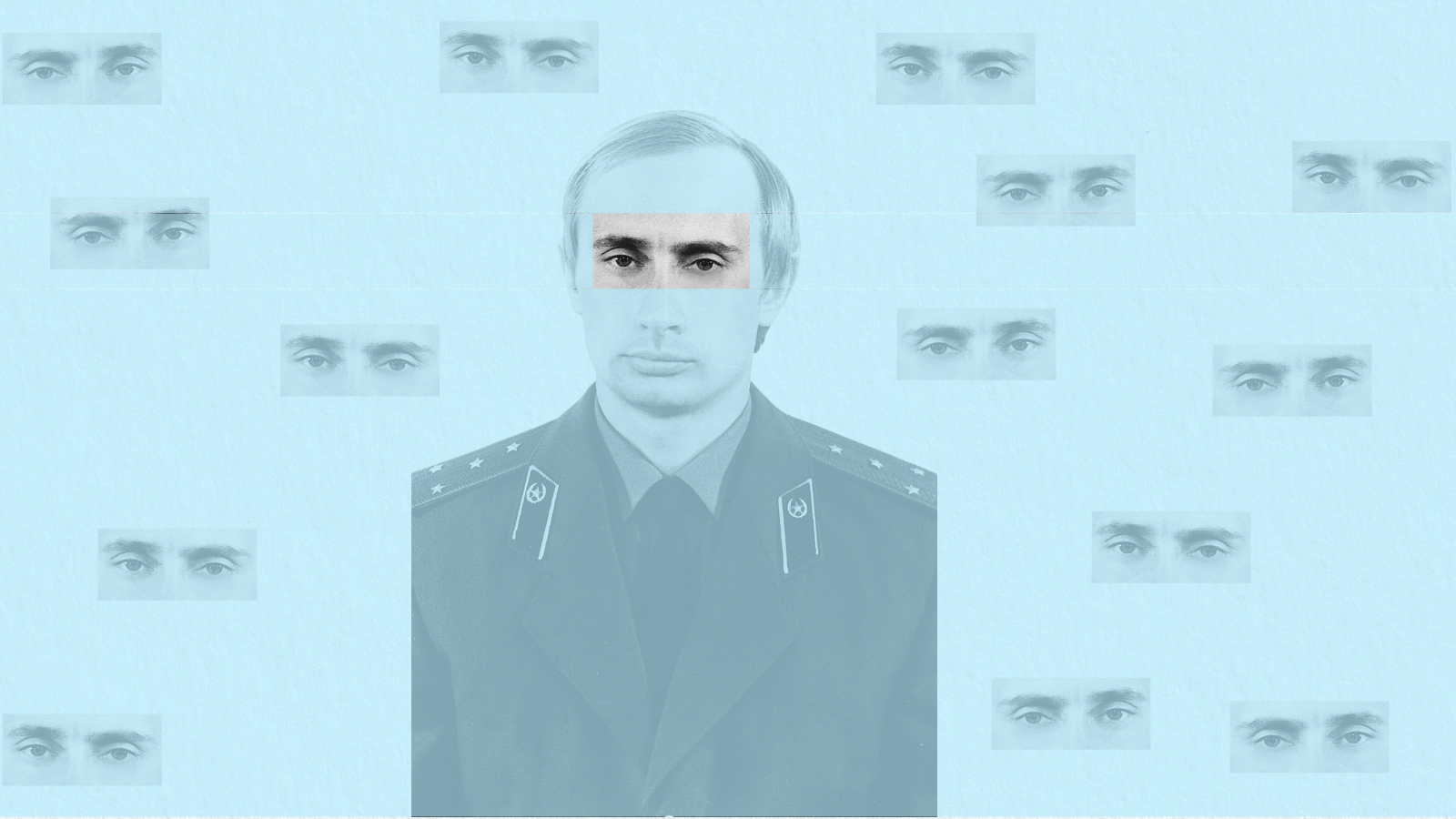
In the 1930s, as now, the world preferred not to notice the obvious. The cost of that willful blindness was 75,000,000 dead. Our blindness is no less willful today, and this time we are practicing it on a violent nuclear-armed state. The early results are already catastrophic: between 350,000 and 470,000 killed, at least 130,000 missing, and nearly a million wounded — the deadliest conflict in Europe since World War II.
Fascism never wears a name tag, its practitioners wrap themselves in flags while declaring war on enemies of the people and claiming to defend civilization itself. Putin insists that his fascism is fighting fascism — his audacity is breathtaking. According to the Kremlin’s official narrative, the carnage wrought by Russia’s war on Ukraine serves a noble purpose: Russia is defending the world from fascism, Russia is “denazifying” Ukraine.
Americans need to understand: when a nuclear-armed state systematically implements every characteristic of fascism while claiming to fight it, no matter where that country is located its threat spans the globe. Russia is overturning the entire postwar order that we’ve spent blood and treasure building. And we are failing the test our grandparents passed and squandering the safety they bequeathed us.
The Italian scholar Umberto Eco, born in Northern Italy in 1932, spent his life decoding symbols as a semiotician, novelist, and cultural critic. He gave us a tool to cure our blindness and see through the audacious costume in which Putin has robed his fascism. In the essay “Ur-Fascism” which was published in The New York Review of Books in 1995, Eco identified fourteen characteristics of what he called “eternal fascism.” Today Russia models every one of them. Responsible citizens of this century must understand how each one of these traits is on display today in Russia. We must analyze each in order to grasp the magnitude of the evil we are allowing to metastasize.
Let us begin with the most visible symptom: Russia’s obsessive glorification of the past. Walk through any Russian city and you’ll be transported backward to May 9, 1945. Victory Day has become not just a holiday but a state religion. “We can repeat it” is emblazoned on billboards, car stickers, and in graffiti across public spaces. Military recruitment posters extend omnipresent invitations to “continue the work of our grandfathers.” This isn’t ordinary nostalgia; it’s what Eco identified as fascism’s first marker — the cult of tradition, according to which truth was established long ago and questioning it is heretical.
The state has literally criminalized alternative histories. In 2020, Russia passed a law “on the protection of historical truth,” which made it illegal to question the official version of World War II. Compare Soviet and Nazi actions? Five years in prison. Discuss the Hitler-Stalin pact’s less savory aspects? You’ll be fined or sentenced to up to five years in prison. The “correct” history gets transmitted through mandatory school sessions called “Conversations About Important Matters.” When teacher Natalya Taranushchenko refused to parrot military propaganda during one of these sessions, she was sentenced in absentia (she managed to flee the country) to a seven year prison sentence. The Kremlin ordains that truth isn’t discovered but decreed.
The official truth, once established, must be enforced. This brings us to another of Eco’s markers: treating disagreement as treason. On April 28, 2023, Putin raised the maximum penalty for treason to life imprisonment. In the first half of 2024 alone, treason convictions increased tenfold compared to 2021. The methods are shockingly familiar to any student of Soviet history: mass denunciations. Your neighbor objects to your politics? Your coworker heard you questioning the war? One phone call or anonymous online form triggers prosecution for “discrediting the armed forces” or spreading “fake news.” Since the invasion of Ukraine began, 20,081 people have been detained for anti-war statements.
The judicial system has transformed into a conviction machine. Today’s political trials happen behind closed doors, defendants are often tried in absentia, and 99.8% of trials end in conviction. Most “trials” last ten to fifteen minutes — a digital update of Stalin’s troikas, those three-person tribunals that sentenced hundreds of thousands after minutes of “deliberation.” In Russia doubt is the same as betrayal and betrayal is a crime.
This paranoid hunt for internal enemies is related to another of Eco’s markers: “action for action’s sake,” the principle that thinking is itself suspicious and only decisive moves are loyal ones. Fascism is fast-paced. On February 21, 2022, Putin abruptly recognized the “independence” of Donetsk and Luhansk. Three days later, Russian tanks crossed into Ukraine. No debate, no deliberation — just action. The Russian parliament, nicknamed the “rabid printer,” has since passed over 250 repressive laws without amendments or impact studies. The rabid printer exists not to legislate but to rubber-stamp.
The same theatrical efficiency marked the “referendums” in occupied territories. The proposal to annex the occupied territories of Donetsk, Luhansk, Kherson, and Zaporizhzhia was publicized on September 20, 2022. Just three days later voting on the proposal began, and lasted until September 27. The government insisted that voter turnout exceeded 90% though there were no international observers who could corroborate or deny that characterization. Armed soldiers went door-to-door instructing people to vote, and the government insisted that this policy elicited overwhelming support from the electorate. By September 30 Putin could declare that “the people have spoken,” and the territories had been annexed. The entire farce took less than two weeks, a staggering example of another of Eco’s warnings: selective populism and rejection of parliamentary governments: “the people” exist only as an abstraction interpreted by the leader.
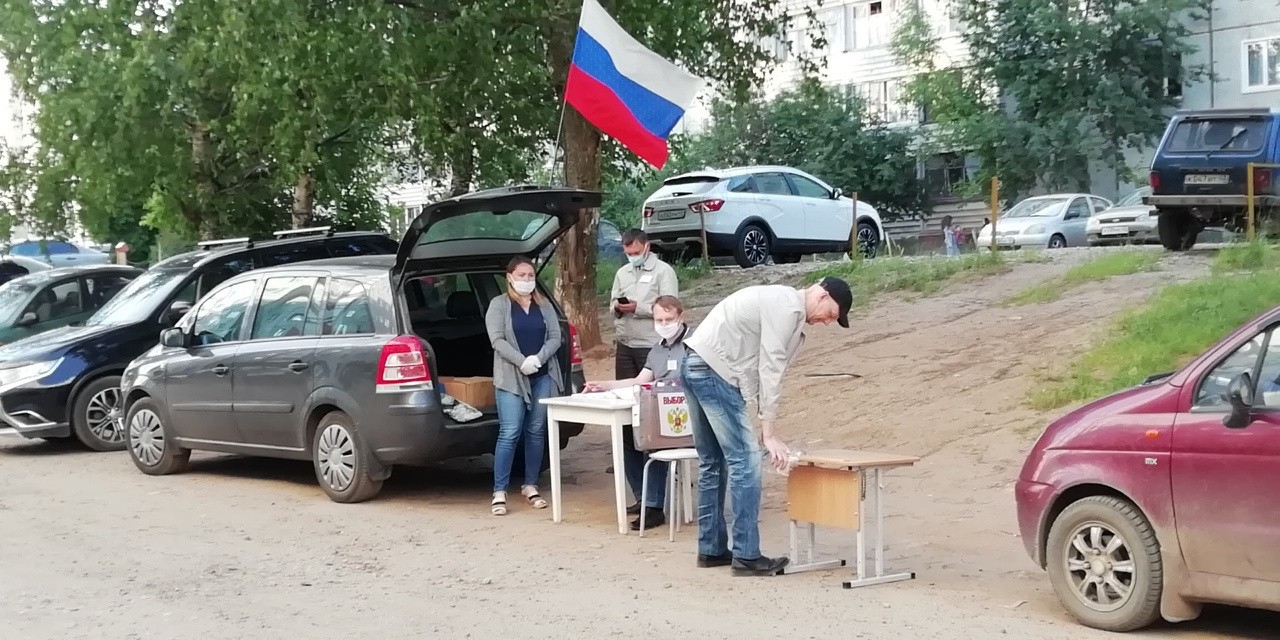
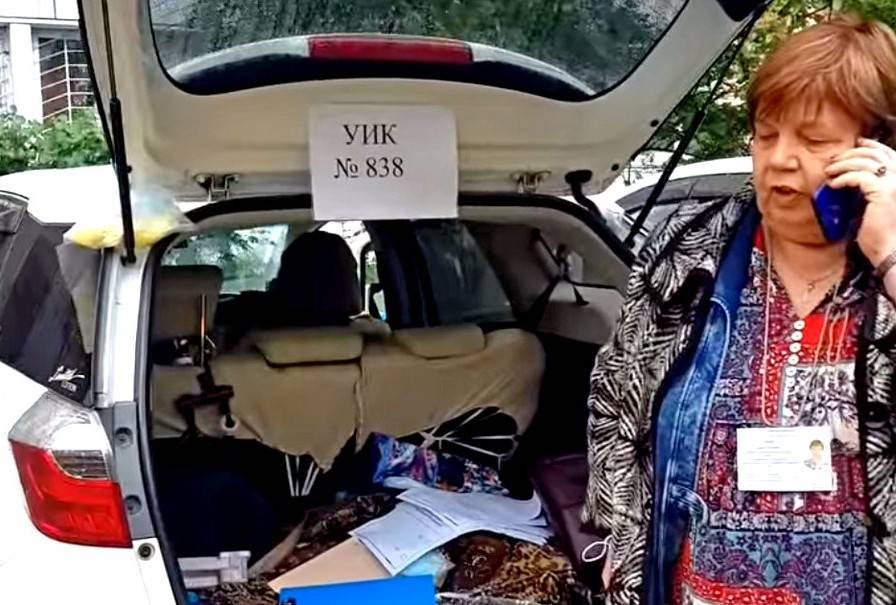
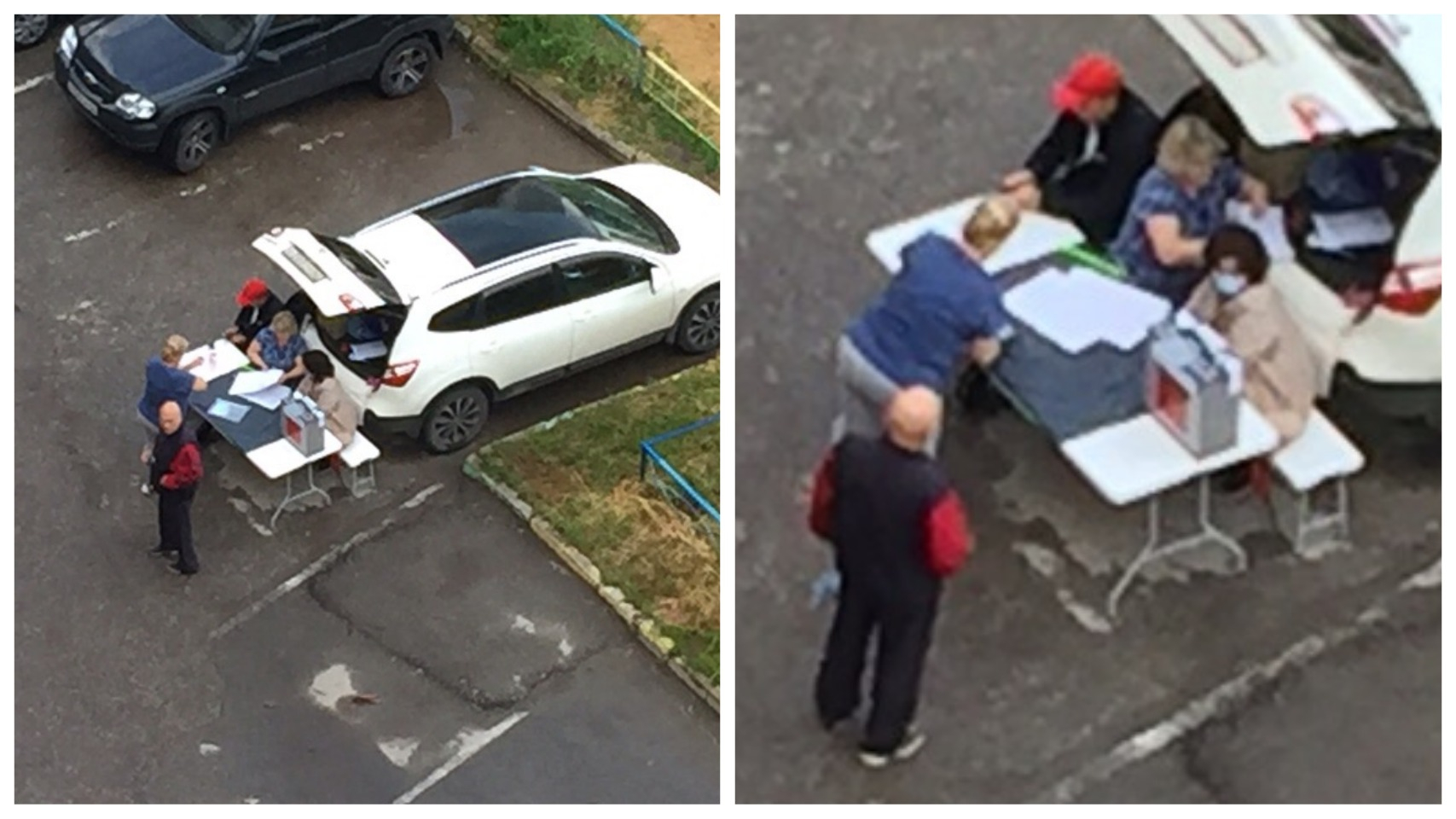
“No Putin — no Russia,” says Vyacheslav Volodin, Speaker of the State Duma. This is not hyperbole, nor is it fawning praise, “No Putin — No Russia” is official doctrine. Russia has perfected what scholars call “manual democracy” — all democratic institutions exist but are operated by the Kremlin. The 2020 “all-Russian vote” epitomized this: not quite a referendum, not quite an election, definitely absurd. There was no oversight, no international observers, and people were literally voting out of car trunks. Result? Seventy constitutional amendments, including one allowing Putin to remain president until 2036.
Consider that date. If he lasts, Putin will become Russia’s fourth longest-serving ruler surpassed only by Peter the Great, Ivan the Terrible, and Ivan III. Putin’s speeches are rife with historical references; every action is justified by precedent. Those three, specifically. Putin has no vision of progress for his country, just eternal return to imagined glory. Eco calls this “rejection of modernism” and Putin models it perfectly — the future exists only to resurrect the past.
Since the war began, rejection of the future has become a bloodsport. Universities, those supposed centers of critical thought, have been purged. Professors who dared to question the war were fired en masse. The Higher School of Economics, once Russia’s most liberal university, now functions as a Kremlin research center where political scientists advocate “preemptive nuclear strikes on Europe.” Scientists must report any foreign contacts to the FSB (the “Federal Security Service” — Russia’s primary domestic intelligence service). Russia has plummeted from 47th to 59th in the Global Innovation Index, its share in leading scientific journals has dropped 32%, and Moscow State University fell from 78th to 94th globally.
Art and culture are similarly strangled. Museums have been closed, theaters have been shuttered, directors have been arrested. The “foreign agent” label is slapped on any cultural institution with international connections. The message is clear: new ideas are a threat, questioning is treason, and the only acceptable culture glorifies the past while supporting Putin’s present.
“We fought with Sweden for 21 years,” Vladimir Medinsky, Russia’s lead negotiator, reminded reporters. “Russia is ready to fight forever.” Again, this is not mere hyperbole, this is state policy. Eco explained that the myth of permanent war is central to fascism — absolute leaders flourish through struggle. Today’s Russia has structured its entire economy around this principle. Military spending has ballooned to 7.2% of GDP. Soldiers receive €2,000 monthly plus €10,000 signing bonuses in a country where average regional wages hover around €400. End the war tomorrow and millions lose their income. War has become the economy.
But permanent war requires permanent enemies, which brings us to another of Eco’s markers: obsession with conspiracies. Conspiracies regarding NATO expansion top the list, despite the glaring irony — by invading Ukraine to stop NATO expansion Russia gained 1,340 new kilometers of NATO borders as Finland and Sweden joined the alliance. The conspiracy theories spiral from there: U.S. biolabs developing ethnic weapons against Russians, Western intelligence organizing every protest in neighboring countries, the entire West uniting to destroy Russia, and so on.
“The goal of this West is to weaken, divide, and ultimately destroy our country,” Putin hectors. Citizens must be simultaneously terrified of this all-powerful enemy while confident in their own inevitable victory — Eco again: the enemy is both too strong and too weak. This psychological manipulation justifies any action while preventing rational assessment of actual threats.
And in keeping with this paranoia, the glorification of death — what Eco called the cult of heroism — has reached grotesque proportions. It began with “Immortal Regiment” marches carrying photos of World War II dead. Now every Russian city displays massive billboards featuring soldiers killed in Ukraine. Schools have installed memorial plaques. State television runs daily “Hero of the Day” segments profiling the fallen. Death isn’t mourned; it is celebrated. Putin calls returning veterans Russia’s “new elite,” and he has reserved a quarter of the next Duma’s seats for them. Young men are reminded at every opportunity that they must risk death for glory and power or remain a disgraced nobody forever.
This death cult intertwines with contempt for those who can’t or won’t fight — this is Russia’s version of what Eco called “popular elitism.” Military or intelligence backgrounds are now a requirement for nearly all Russian government positions. Meanwhile, those unable to contribute to the war machine face financial ruin: pensioners survive on €120-250 monthly, the disabled on €80-200. Strength is everything, weakness is contemptible.
And of course the whole of Ukraine is treated with this same monstrous contempt. Two weeks before the invasion, responding to Zelensky’s criticism, Putin bleated “Like it or not, endure it, my beauty” — a line from a Russian folk song about rape. Eco warned that fascism breeds hypermasculinity and Putin’s perverted iteration of it is on constant display. Russia ranks eighty-first in the Global Gender Gap Index. In 2023, the entirety of the LGBT community was declared an “extremist organization,” and rainbow symbols were banned. Officials complained to Putin about rainbow ice cream corrupting children. The 2017 decriminalization of domestic violence — no longer criminal unless it causes serious injury — is perfectly consistent with this worldview. Real men dominate; real women endure.
This fear of difference extends throughout society. “Traditional values” and “spiritual bonds” justify everything from censorship to massacres. The West represents degeneracy; Russia stands as civilization’s last defender. The “Russian World,” according to Putin, is the only legitimate one and in it no other entity has any rights or worth. Ukraine is not a real country but an “artificial state.” Ukrainians aren’t a real people but confused Russians. “Russia’s borders don’t end anywhere,” Putin once quipped. Some joke. That joke is state policy, too.
But why did Russians embrace this poisonous ideology? Once again Eco explains the fascist’s strategy of appealing to a frustrated middle class. The 2014 oil price collapse plus post-Crimea sanctions created economic stagnation. Putin’s approval rating dropped from 85% after annexing Crimea to 66% by 2021. The war brilliantly redirected the people’s frustration and reversed the trend. Instead of addressing economic problems Putin gave his people an enemy. He transformed their aimless dissatisfaction into focused rage. He promised the restoration of greatness through conquest. We have heard this story before.
And now for Eco’s final marker: Newspeak, fascism’s corruption of language itself. Euphemisms abound, cloaking familiar language in mythical garb. War is now the “special military operation.” Invasion is “liberation.” Defeat is “regrouping.” Ukrainian soldiers are “Nazis.” Bombing is “denazification.” Explosions in Russia are “pops.” These euphemisms are calculated cognitive disruption. When you cannot name reality, you cannot think about it clearly.
So let us all name it. All fourteen signs of fascism are on brazen display in contemporary Russia — a country that insists it is fighting fascism. This is a lie, and a lie that has disfigured an entire society in order to preserve the illusion of its veracity. In Russia it is against the law to tell the truth about this war. But those of us who are outside and beyond Putin’s unblinking gaze have no such excuse for refusing to see what’s in front of us. We have an obligation to tell the truth about who he is and what he has built. Not least because our own leaders are watching him closely, and some of them are taking notes.