
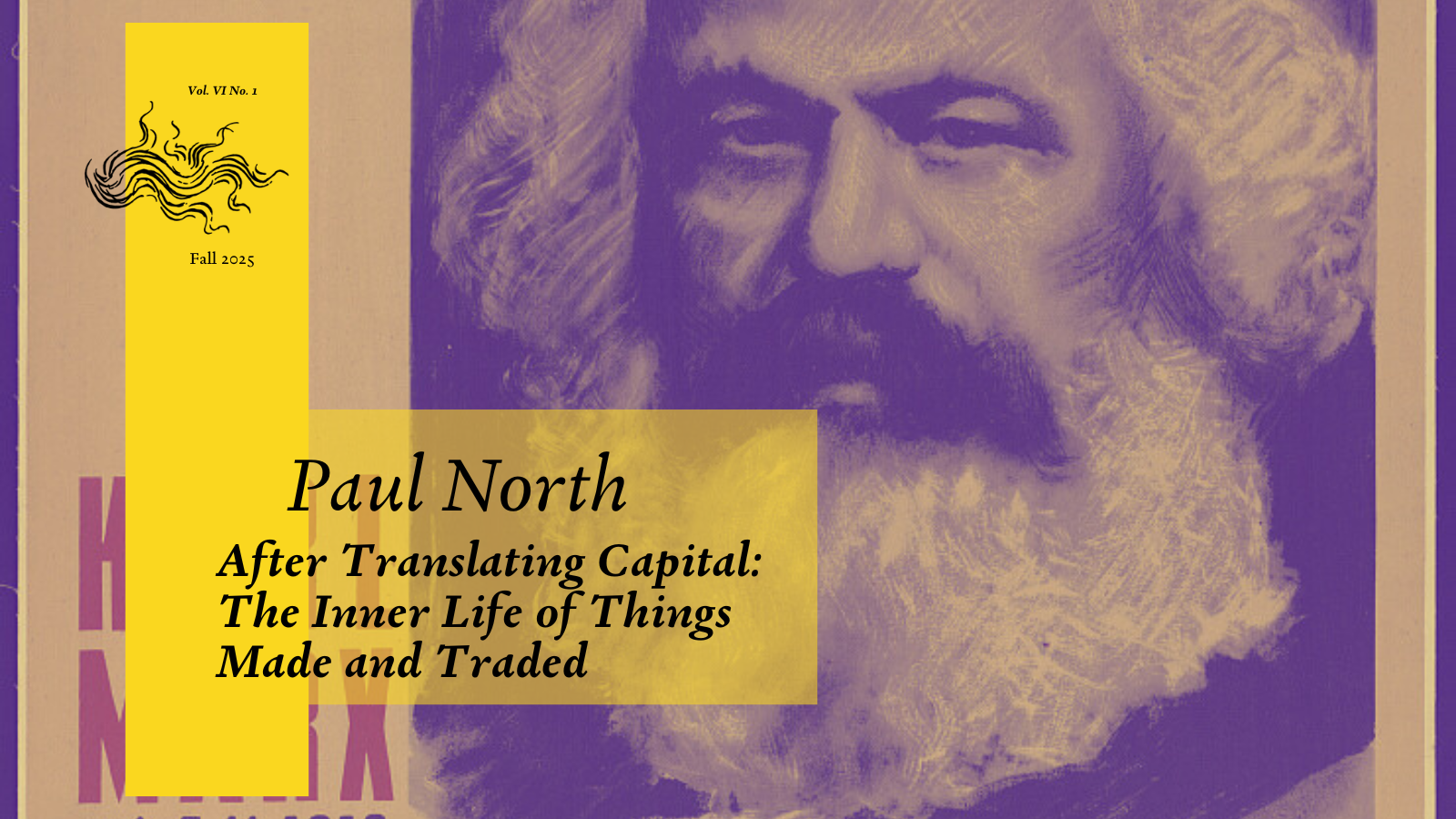
 Marx was a great ape: he could do Goethe, he could do the Bible, he could do capitalists as well as workers, he could certainly do Hegel — better, he thought, than the legions of Hegel’s other apes. In a sense, he was, at any one moment, Marx-Goethe or Marx-Hegel or Marx-Ricardo. It is true, too, that Jews in German-speaking lands after emancipation — which started around 1750 — were granted, or were condemned to, this kind of mimicry. They observed German law, dressed in culturally appropriate ways, took on modern surnames, spoke the local language. They could be a good German, though always threatening to degrade into the bad Jew. They asserted rights as assimilated Jews while remembering their past as traditional Jews. Freed through the state, they were then beholden to the state. Marx describes this split in “On the Jewish Question” in stark terms. He dubs it “the decomposition of man into Jew and citizen.”